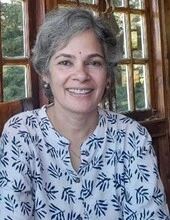
Shailaja Tetali, PhD
What do you do at the Centre?
As a commuter, I am interested in making roads and everyday travel safer. A lot of it started with looking at how children get to school and the risks they face along the way, then grew into bigger studies — talking to officials, doctors, and road users to figure out why roads feel unsafe, and setting up hospital-based tracking of road accident patients to get real numbers instead of relying on underreported official stats. More recently I moved into what happens after a crash too, like training communities to stop severe bleeding before an ambulance arrives, since that’s often the difference between life and death. I help turn all this into practical action — building proposals and partnerships and translate findings into policy and training, and connect with government bodies get that work funded and implemented. In short: I study why road injuries happen, track how bad the problem really is, and build the systems to prevent and respond to them.
What draws you to this work?
I casually attended a short course on injuries and that unexpected event changed my area of interest trajectory. Subsequently I pursued a Masters program on injury prevention and safety promotion, followed by a PhD, to learn more. My training and work in injuries and disability and disaster management are tighly connected, and I like to tie everything together through research, training and implementation. Specifically, I would like to dispel the misconceptions of the role of ‘fate’ around the occurrence of injuries, and reinforce that they are preventable by following a systematic, scientific and safe systems approach.